Overview of Casino Software Suppliers CX
In the rapidly evolving landscape of the casino industry, the backbone of operational success and player engagement is often anchored in high-quality casino software solutions. Casino software suppliers serve as the primary providers of technological frameworks that enable operators to deliver seamless gaming experiences across multiple platforms, including desktop, mobile, and live dealer environments. Their role extends beyond mere software provision; they are integral partners in innovation, compliance, and player retention strategies.

For casino operators, partnering with reputable software suppliers ensures access to reliable, scalable, and feature-rich solutions that meet the diverse demands of players globally. These suppliers contribute to the creation of secure transaction systems, engaging game portfolios, and robust backend management tools. As the industry becomes more competitive, the importance of differentiating with cutting-edge software grows, making supplier selection a critical strategic decision.
Types of Casino Software Providers
The industry encompasses various types of software providers, each specializing in specific niches or offering broad-spectrum solutions:
- Game Developers: Focused on creating innovative and engaging games, from slots to live dealer options.
- Platform Providers: Offer comprehensive gaming platforms that integrate multiple games and features into a unified environment.
- Payment System Integrators: Facilitate secure and efficient financial transactions for players around the world.
- Backend Service Providers: Deliver management tools for player accounts, analytics, and operations.
Key Features of Casino Software Solutions
Effective casino software solutions share several vital features that enhance user experience and operational efficiency:
- Security and Compliance: Ensuring data protection and adherence to industry standards.
- Game Variety and Quality: Rich game libraries with high-quality graphics and fair play guarantees.
- Mobile Compatibility: Optimized for smartphones and tablets to reach a broader audience.
- Integration Capabilities: Seamless compatibility with third-party systems like payment gateways and CRM platforms.
- Player Engagement Tools: Bonuses, loyalty programs, and personalization features that foster retention.
Factors Influencing Supplier Selection
Choosing the right casino software supplier involves assessing multiple factors:
- Reputation and industry standing
- Product portfolio and innovation track record
- Technical support and customer service quality
- Compliance with regulatory standards
- Cost and licensing terms
Technological Innovations in Casino Software
Advancements such as cloud computing, virtual reality, and artificial intelligence are transforming the capabilities of casino software. These innovations enable more immersive gaming experiences, personalized content delivery, and enhanced security protocols, setting new standards for player engagement and operational agility.
Regulatory and Certification Standards
Maintaining compliance with certification standards is a cornerstone of reputable casino software providers. Certifications from recognized industry authorities ensure that the software meets stringent security, fairness, and operational benchmarks, instilling confidence among operators and players alike.
Customization and Flexibility of Software Solutions
Flexible software architectures allow operators to tailor functionalities and user interfaces according to their brand identity and target market preferences. Customization options can include game selection, betting limits, and interface language, providing a personalized experience that aligns with strategic objectives.
Integration with Payment and Loyalty Systems
Modern casino software must seamlessly connect with various payment processors and loyalty management platforms. This integration facilitates smooth deposits, withdrawals, and reward programs, thereby enhancing player convenience and fostering long-term loyalty.
Impact of Data Analytics and Player Insights
Data-driven insights empower operators to optimize marketing strategies, identify player trends, and enhance gaming offerings. Sophisticated analytics tools embedded within software solutions enable a detailed understanding of customer behavior, which is pivotal for targeted promotions and operational decision-making.
Global Market Trends and Opportunities
The worldwide expansion of online gaming markets creates significant opportunities for providers equipped with versatile and scalable software solutions. Staying ahead of emerging trends such as cross-platform mobility, gamification, and social gaming expands market reach and competitive advantage.
Partnerships and Collaborations
Strategic alliances between software suppliers and industry stakeholders foster innovation and market expansion. Collaborative development efforts drive the integration of novel features and help in tapping into new geographical regions or niche markets.
Challenges Faced by Casino Software Suppliers
Supplier hurdles include maintaining compliance amidst evolving regulations, safeguarding against cybersecurity threats, and balancing innovation with stability. Addressing these challenges requires continuous investment in technology, security, and customer support infrastructure.
Future Directions and Innovations
The future of casino software involves incorporating emerging technologies such as blockchain, augmented reality, and advanced AI systems. These innovations promise to further personalize gaming experiences, enhance security, and facilitate transparency in operations.
Selecting the Right Software Supplier
Operators should evaluate potential partners based on their technological capabilities, industry reputation, and alignment with business goals. A thorough assessment process ensures the selection of a provider capable of supporting long-term growth and innovation.
Importance of Customer Support and Service
Robust customer support remains essential for resolving technical issues swiftly and maintaining operational continuity. Reliable service levels contribute significantly to the overall success of casino operations, ensuring players experience seamless and secure gaming environments.
Detailed Examination of Casino Software Solutions and Their Core Features
Casino software suppliers CX represent a pivotal component in the online gaming industry, underpinning the delivery of smooth, secure, and engaging gaming experiences. The core features of their solutions encompass a blend of technological prowess, user-centric design, and operational robustness. Such software must support a wide array of casino games including slots, table games, live dealer options, and specialty games, ensuring diverse entertainment for players.
One of the essential features is the integration of advanced random number generators (RNGs), which guarantee fairness and unpredictability of game outcomes. These algorithms are subject to rigorous testing and certification processes to uphold industry standards of honesty and transparency. Additionally, multi-language support is crucial, enabling operators to serve an international customer base seamlessly and build trust across different markets.

Secure transaction processing forms a backbone for online casino platforms, requiring encryption protocols such as SSL certificates to protect sensitive player data and financial information. Compatibility with multiple payment methods, including credit/debit cards, e-wallets, and cryptocurrencies, facilitates convenient deposits and withdrawals, enhancing the overall user experience.
Further, robust back-office management tools are embedded within software solutions to streamline administrative functions such as user management, reporting, fraud detection, and compliance monitoring. They enable operators to oversee operations efficiently and respond swiftly to any discrepancies or issues.
Another vital aspect involves the resilience and scalability of software architecture. Suppliers must deliver platforms capable of handling high traffic volumes without deterioration in performance, especially during peak times or promotional events. Cloud-based infrastructure often supports such scalability, allowing operators to expand their user base without significant overhauls.
Enhanced Player Engagement and Personalization Capabilities
The integration of sophisticated data analytics tools provides operators with valuable insights into player behavior, preferences, and spending patterns. These insights enable targeted marketing campaigns, personalized game recommendations, and dynamic bonus offerings, thereby increasing user engagement and retention.
Additionally, features such as multi-channel access—including mobile compatibility, desktop, and kiosk systems—ensure players can enjoy seamless gaming experiences across various devices and locations. This flexibility is critical in today's digital landscape, where convenience and instant access are expected.
Integration with loyalty programs and promotional systems is also a significant feature supported by modern casino software solutions. These systems reward players based on their activity, fostering a sense of appreciation and encouraging continued participation. The flexibility to customize these loyalty schemes allows operators to tailor incentives to specific player segments, amplifying marketing effectiveness.
Conclusion: The Multifaceted Nature of Casino Software Solutions
In essence, the field of casino software suppliers CX demands a harmonious blend of technological innovation, operational security, and user-centric design. Industry stakeholders seek solutions that not only meet current demands but are adaptable to future technological evolutions and market trends. As the industry progresses, emphasis on personalized experiences, data-driven decision-making, and cross-platform compatibility will remain central to the development and deployment of casino software solutions.
Understanding the Role of Key Features in Casino Software Solutions
Casino software suppliers offer an array of features that are fundamental to providing a secure, engaging, and efficient gaming environment. These features are not merely add-ons but core elements that directly impact operational performance and player satisfaction.
- Security Protocols: Robust encryption technologies, fraud detection measures, and secure user authentication processes ensure that player data and financial transactions are protected against malicious threats. Suppliers committed to high standards invest in advanced security infrastructure that adheres to international best practices.
- Scalability: As casino operations grow, software must adapt seamlessly. Modern solutions are built with scalable architectures capable of handling increasing player loads, expanding game libraries, and integrating new features without compromising performance.
- Intuitive User Interface: Ease of navigation and visually appealing design enhance the user experience. Functional interfaces that are responsive across various devices assist in maintaining high levels of player engagement and satisfaction.
- Integration Capabilities: The ability to connect with third-party services—such as payment gateways, loyalty programs, and customer support platforms—is essential for smooth operations. Compatibility with multiple systems ensures a unified and efficient gaming ecosystem.

Factors Influencing the Selection of a Casino Software Supplier
Choosing the appropriate supplier involves careful evaluation of several critical factors that determine long-term success and operational stability. Stakeholders need to consider:
- Reputation and Track Record: Suppliers with proven industry experience and positive client feedback are more likely to deliver reliable solutions. Examining their history of deployments and client testimonials provides insight into their operational excellence.
- Technical Compatibility: Compatibility with existing infrastructure and flexibility to integrate emerging technologies are crucial. The chosen supplier should support current operational needs while offering pathways for future upgrades.
- Regulatory Compliance: Ensuring that solutions meet pertinent standards minimizes compliance risks and supports seamless licensing processes. Suppliers familiar with regional and international regulations are preferable.
- Cost-Effectiveness: While budget considerations are essential, investing in quality, scalable software often yields better long-term value. Transparent pricing models and detailed service level agreements aid in informed decision-making.

Overview of Casino Software Suppliers CX
Casino software suppliers CX, such as those providing advanced gaming platforms and turnkey solutions, play a pivotal role in the evolving landscape of digital gaming. These suppliers offer comprehensive packages that include game development, platform management, security protocols, and customization options tailored to meet diverse operator needs. The core objective of effective casino software suppliers is to create a seamless, engaging, and secure gaming environment that attracts and retains players while optimizing operational efficiency for operators.

Leading suppliers invest heavily in research and development to innovate features such as real-time analytics, responsible gaming tools, and cross-platform compatibility. This dedication to technological advancement ensures that casino operators stay competitive and responsive to market demands. Moreover, the integration of player-centric functionalities like personalized gaming experiences and loyalty programs continues to elevate customer engagement and satisfaction.
Types of Casino Software Providers
- Game Developers: Specialize in creating engaging, high-quality games including slots, table games, and live dealer content. Their focus is on delivering visually appealing and mathematically fair games that align with operator branding and target demographics.
- Platform Providers: Provide the backbone for gaming operations — managing user accounts, transaction processing, and game distribution. These platforms facilitate smooth user experiences across desktops and mobile devices.
- Integration Specialists: Offer middleware solutions that seamlessly connect various game providers, payment systems, and other third-party services to ensure cohesive functionality.
- Security and Compliance Vendors: Deliver tools that uphold data protection standards, fraud prevention, and regulatory requirements, ensuring the integrity of gaming operations and player data safety.
Key Features of Casino Software Solutions
Modern casino software solutions emphasize features that enhance operational resilience and player engagement. These include:
- Scalability: The ability to support increasing traffic and expanding game portfolios without sacrificing performance.
- Security Protocols: Employing encryption, firewall safeguards, and regular audits to protect sensitive data and financial transactions.
- Multi-Channel Compatibility: Ensuring seamless gaming experiences across desktops, smartphones, and tablets.
- Localized Content: Supporting multiple languages and currencies to appeal to a global audience.
- Player Engagement Tools: Bonuses, tournaments, and loyalty programs designed to increase retention and lifetime value.

The integration of cutting-edge data analytics enables operators to better understand player behavior, optimize marketing strategies, and improve overall service delivery. As technology evolves, suppliers continue to incorporate innovations such as artificial intelligence, blockchain, and virtual reality to redefine the gaming experience and meet the expectations of the modern player base.
Overview of Casino Software Suppliers CX
In the dynamic landscape of digital gaming, the role of casino software suppliers extends far beyond mere code development. They embody the backbone of online gaming platforms, ensuring that operators deliver seamless, secure, and engaging experiences to players worldwide. CX, or Customer Experience, is central to this narrative, emphasizing the importance of intuitive interfaces, reliable performance, and personalized interactions. Leading suppliers prioritize understanding player journeys, leveraging advanced analytics to refine UI/UX designs and streamline gaming flows. Consequently, they foster loyalty and maximize lifetime value by reducing friction and elevating satisfaction at every touchpoint.

This focus on CX involves integrating features such as rapid load times, intuitive navigation, and culturally adaptive content. Modern suppliers often deploy omnichannel strategies, allowing players to transition effortlessly between desktop and mobile devices without sacrificing performance or aesthetic appeal. Additionally, they implement robust customer support tools, including live chat, FAQ integration, and personalized assistance, ensuring issues are resolved promptly and effectively. By continually analyzing player feedback and behavioral data, these suppliers adapt their offerings to meet evolving expectations, creating a responsive gaming environment that encourages prolonged engagement and brand loyalty.
Types of Casino Software Providers
The casino software industry comprises a diverse array of providers, each specializing in distinct aspects of gaming technology. Among them, platform providers deliver comprehensive solutions that include game management, user interface design, and administration tools. Game developers focus on creating innovative titles ranging from slots to live dealer offerings, often working in collaboration with platform providers. Payment system integrators enable smooth financial transactions, supporting a wide range of currencies and methods. Security and compliance vendors provide essential tools to uphold regulatory standards, safeguard data, and prevent fraud. Additionally, analytics firms offer insights that optimize player retention strategies and marketing efforts. Understanding these tiers helps operators select the right mix to meet their strategic goals and operational needs.

Key Features of Casino Software Solutions
Modern casino software solutions incorporate a suite of advanced features designed to enhance operational performance and player satisfaction. Among the most critical are scalability and flexibility, enabling platforms to accommodate growth, whether through expanding game catalogs or increasing user traffic, without compromising stability. Security protocols are paramount, with encryption standards, firewall protections, and routine audits ensuring robust data integrity and financial safety. Multi-channel compatibility guarantees a consistent gaming experience across desktops, smartphones, and tablets, vital for capturing the mobile-first demographic. Localization capabilities, such as multi-language support and currency options, enable operators to target diverse markets effectively. Engaging tools like tailored bonuses, leaderboard tournaments, and personalized loyalty programs foster longer player retention and higher lifetime value.

Additional features such as seamless payment integration, advanced reporting dashboards, and API support for third-party tools further enhance operational agility. Data analytics embedded within these platforms provide invaluable insights into player behaviors, allowing for targeted marketing and personalized offers. The continuous evolution of features, driven by technological innovation, ensures that casino operators can meet the expectations of modern players while maintaining competitive advantages in a rapidly shifting market.
Overview of Casino Software Suppliers CX
Casino software suppliers CX play a crucial role in the iGaming industry by providing the technological backbone for online casino platforms. These suppliers develop, maintain, and update software that powers gaming operations, ensuring seamless gameplay, robust security, and innovative features that enhance player engagement. A comprehensive understanding of their offerings, operational models, and strategic approaches is essential for operators aiming to deliver high-quality gaming experiences while maintaining operational efficiency.

Types of Casino Software Providers
Casino software providers can be broadly categorized based on their core services and technological focus. They include:
- Platform Providers: These companies supply the entire gaming platform, integrating game libraries, user management systems, and financial transaction processing. Examples include enterprise-level platform providers that facilitate operators to launch branded casino sites with customized features.
- Game Developers: Specialized in creating diverse casino games such as slots, table games, and live dealer options. They often operate as independent studios that partner with platform providers to embed their offerings into broader ecosystems.
- Middleware and API Providers: Focused on integrating third-party software, payment gateways, and data analytics tools into existing platforms. These providers enhance flexibility and scalability of casino solutions.
- White Label Operators: Offer ready-to-launch casino solutions embedded with licensed game catalogs and branding options, allowing operators to enter markets quickly with minimal development effort.
Key Features of Casino Software Solutions
The effectiveness of casino software hinges on several core features that ensure optimal operation and player satisfaction:
- Security and Data Integrity: Advanced encryption, secure authentication protocols, and continuous security audits safeguard sensitive data and financial transactions.
- Scalability and Flexibility: Platforms must support growth in user base, game variety, and geographic expansion without sacrificing performance.
- User Experience and Engagement: Intuitive interfaces, quick load times, and engaging gameplay mechanics are essential to keep players engaged.
- Multi-channel Compatibility: Compatibility across desktop, mobile, and tablet devices ensures a consistent and accessible experience for all players.
- Localization and Customization: Multi-language support, currency options, and regional adjustments facilitate market-specific offerings.

Factors Influencing Supplier Selection
Choosing the right casino software supplier involves evaluating several critical aspects:
- Compliance and Certification: Ensuring the provider adheres to industry standards and holds necessary certifications fosters trust and operational legitimacy.
- Technical Support and Service: Access to 24/7 support, prompt issue resolution, and dedicated account management influence operational stability.
- Product Portfolio and Innovation: A diverse game library, innovative features, and regular updates maintain player interest and competitive edge.
- Cost Structure and Licensing: Transparent pricing models and licensing agreements can significantly impact profitability and long-term planning.
- Integration Capabilities: Ease of integration with existing systems, including payment, CRM, and marketing tools, determines deployment speed and flexibility.
Technological Innovations in Casino Software
Rapid technological advancements continue to shape the landscape of casino software solutions:
- Artificial Intelligence (AI): Employed for personalized gaming experiences, targeted marketing, and responsible gambling measures.
- Blockchain and Cryptocurrencies: Facilitating transparent transactions, reducing processing times, and expanding payment options.
- Live Dealer Technology: Enhancing realism through real-time streaming and professional interactions, providing an immersive experience from remote locations.
- Gamification and Social Features: Leaderboards, achievement badges, and social sharing capabilities increase engagement and promote retention.
- Cloud-based Platforms: Offering flexibility, scalability, and cost-efficiency by hosting services on cloud infrastructure.
Comprehensive Integration of Payment and Loyalty Systems
Effective integration of payment gateways and loyalty systems is a cornerstone of modern casino software solutions. Suppliers must offer seamless connectivity with diverse payment methods, including credit/debit cards, e-wallets, cryptocurrencies, and bank transfers. This not only ensures smooth transactions for players but also enhances operational efficiency for operators. Robust API integration capabilities allow operators to customize checkout processes, define transaction limits, and implement multi-currency support, catering to a global clientele.
Furthermore, loyalty and player reward systems embedded within the platform incentivize ongoing engagement. These systems track player activity, offer personalized bonuses, and facilitate tier-based rewards, all integrated into the software to provide real-time updates and streamlined management. The ability to coordinate payment data with loyalty programs also enables targeted marketing efforts, boosting player retention and lifetime value.
Utilization of Data Analytics and Player Insights
Advanced casino software providers leverage sophisticated data analytics tools to extract valuable insights from player behavior. These insights encompass betting patterns, game preferences, time spent on specific features, and responsiveness to promotional campaigns. By harnessing this data, operators can craft personalized gaming experiences that resonate with individual players, thereby increasing engagement and satisfaction.
Furthermore, predictive analytics enables proactive decision-making, such as adjusting marketing strategies based on predicted player churn or identifying high-value players for exclusive offers. Real-time dashboards and comprehensive reporting functionalities allow administrators to monitor performance metrics, optimize game portfolios, and refine promotional tactics proactively.
Emerging Market Trends and Growth Opportunities
The casino software industry is witnessing rapid growth driven by emerging markets and evolving consumer preferences. Providers are increasingly focusing on mobile-first solutions, recognizing the shift towards smartphone gaming. Additionally, the integration of new technologies such as virtual reality (VR) and augmented reality (AR) opens avenues for immersive gaming environments.
The expansion into regulated markets across Asia, Latin America, and Africa presents significant opportunities for software suppliers adept at meeting localized regulatory standards and cultural preferences. Growing acceptance of cryptocurrencies as a payment method further broadens market reach, allowing operators to appeal to tech-savvy audiences seeking secure, transparent transactions.
Strategic Partnerships and Industry Collaborations
Building strategic alliances is instrumental for software suppliers aiming to broaden their technological capabilities and market footprint. Partnerships with game developers, payment providers, and platform integrators facilitate comprehensive solutions that meet diverse operator needs. These collaborations often lead to co-developed features, shared resources, and access to new markets.
Joining industry consortia and participating in standardization initiatives also help shape future regulation and technological standards, ensuring compatibility and security across platforms. Such alliances enhance credibility and foster innovation, positioning suppliers at the forefront of industry evolution.
Customization and Flexibility of Software Solutions
Choosing an optimal casino software supplier necessitates a deep understanding of the customization options and adaptability of their offerings. Modern providers recognize that each operator has unique requirements, regional preferences, and branding identities, making flexibility a critical criterion. Customizable themes, user interface layouts, game selection, and localization features allow operators to craft a gaming environment that resonates with their target audience. Additionally, flexible backend management systems enable quick updates, promotional campaigns, and content changes without disrupting the overall operation. This adaptability extends to integration capabilities, ensuring that new modules, third-party services, or evolving technological features can be seamlessly incorporated to stay ahead in the competitive market landscape.

Operators should evaluate whether the software allows for tailored user experiences, including custom game types, bonus structures, and promotional events. The capacity for personalization enhances player engagement and loyalty, which are vital for sustained success. Moreover, a modular architecture is advantageous, giving operators the freedom to upgrade or expand functionalities without overhauling existing systems. This modularity also fosters innovation, enabling providers to introduce new features, such as live dealer options or integrated sportsbook modules, aligning platforms with current gaming trends and consumer preferences. SaaS-based solutions increasingly dominate the market, offering cloud deployment options that provide scalability, easier maintenance, and reduced infrastructural costs. Such features are essential for operators aiming for agility and cost-efficiency in their operational frameworks.

In addition to technical flexibility, suppliers often provide tools for customized reporting and analytics, empowering operators to fine-tune their marketing strategies and operational processes. This comprehensive approach to customization ensures that each platform not only aligns with an operator’s branding and operational needs but also adapts to regulatory and cultural nuances across different markets. Industry leaders continually innovate to deliver versatile solutions, recognizing that a one-size-fits-all approach no longer meets the expectations of diverse market segments and technological advancements. As a result, the capacity for bespoke development and agile deployment dictates the long-term viability and success of casino software solutions in a dynamic gaming environment.
Overview of Casino Software Suppliers CX
Casino software suppliers play a pivotal role in shaping the digital gaming landscape by providing innovative, reliable, and secure solutions tailored to the diverse needs of operators worldwide. The CX (customer experience) offered by these suppliers encompasses not only the robustness of the platform but also the ease of integration, responsiveness, and support services that ensure seamless operation. At the forefront of industry standards, reputable suppliers invest heavily in maintaining high-performance levels, adhering to evolving technological standards, and delivering user-friendly interfaces that enhance player satisfaction. They continually refine their software to support a broad spectrum of gaming options, from traditional table games to cutting-edge live dealer experiences, all while ensuring compliance with regional regulations and safety protocols. The capacity of a software provider to deliver a smooth, engaging, and secure gaming environment directly influences the operator's ability to attract and retain players, ultimately boosting profitability and reputation.

Types of Casino Software Providers
The landscape of casino software providers is diverse, with each specializing in different aspects of gaming technology. Broadly, these can be categorized into:
- Platform Providers: Companies that offer comprehensive casino management systems, capable of integrating various gaming products, payment systems, and player engagement tools within a unified platform.
- Game Content Providers: Suppliers focusing on delivering a wide array of gaming titles, including slots, poker, blackjack, roulette, and innovative games, often via licensing agreements with developers or through proprietary offerings.
- Live Dealer Providers: Specialized in streaming real-time dealer interactions, these providers enable operators to offer immersive and authentic gaming experiences across multiple devices.
- Aggregators and API Integrators: These facilitate access to multiple game suppliers' content through a single API, expanding the variety of gaming options available without complex integrations.
Choosing the right type depends on the operator’s strategic goals, target demographics, and technological infrastructure.
Key Features of Casino Software Solutions
Leading casino software solutions are distinguished by several core features that ensure operational excellence and a superior player experience:
- Robust Security Protocols: High-grade encryption, fraud detection, and data protection mechanisms safeguard transactions and personal information.
- Cross-Platform Compatibility: Seamless operation across desktops, smartphones, and tablets to broaden player reach.
- Rich Game Libraries: Diverse and engaging gaming options to cater to varied preferences and maximize retention.
- Intuitive User Interface (UI): Simple navigation and appealing visual design facilitate ease of use and sustained engagement.
- Scalable Infrastructure: Cloud-based solutions and modular architectures support growth and feature expansion without disruption.
- Localization Capabilities: Multi-language support and culturally adapted content to serve global markets effectively.
- Comprehensive Reporting and Analytics: Advanced tools for tracking performance, player behavior, and financial metrics to inform strategic decisions.
Factors Influencing Supplier Selection
Operators must assess several critical aspects when choosing a casino software provider:
- Regulatory Compliance and Certifications: Ensuring the provider’s solutions meet local and international standards is fundamental to smooth market entry.
- Technology Stack and Innovation: Preference for providers that leverage latest technologies, including AI, machine learning, and cloud computing, for competitive advantages.
- Reputation and Track Record: Proven success in delivering reliable services and excellent customer support builds trust and reduces operational risks.
- Flexibility and Customization: Ability to tailor the platform to fit specific branding, market requirements, and operational goals.
- Cost and Licensing Models: Transparent pricing structures and flexible licensing options that align with budget constraints and growth plans.
- Integration Capabilities: Compatibility with existing systems, such as payment gateways and player loyalty programs, minimizes implementation challenges.

Technological Innovations in Casino Software
The ongoing evolution of technology continues to redefine what casino software can achieve:
- Artificial Intelligence (AI) and Machine Learning: Enhancing personalization, fraud detection, and responsible gaming measures.
- Blockchain and Cryptocurrency Integration: Offering transparency, faster transactions, and new payment options.
- Virtual Reality (VR) and Augmented Reality (AR): Creating immersive gaming environments that simulate real-world casino atmospheres.
- Cloud Computing: Providing scalable, flexible, and cost-effective solutions capable of handling increasing traffic volumes.
- Mobile-First Technologies: Ensuring optimized mobile experiences to meet the demands of the modern gaming audience.

Regulatory and Certification Standards
As casino platforms operate within regions governed by specific regulatory frameworks, suppliers are expected to adhere to detailed standards to maintain legitimacy and facilitate smooth licensing processes. These include compliance with fair gaming regulations, responsible gaming practices, and data security protocols. Certification from recognized industry bodies such as eCOGRA, GLI (Gaming Laboratories International), and similar agencies is often a testament to a supplier's commitment to quality assurance and operational integrity. Regular audits and updates to software ensure ongoing compliance, fostering trust among operators and players alike.
Technological Innovations in Casino Software
Casino software suppliers are at the forefront of implementing groundbreaking technologies that enhance user experience and operational efficiency. Artificial Intelligence (AI) and Machine Learning are now pivotal in delivering personalized gaming experiences, targeted marketing, and advanced fraud detection systems. These technologies analyze vast amounts of player data to tailor game recommendations and promotional strategies, fostering higher engagement and loyalty.

Blockchain technology and cryptocurrencies are transforming transaction processes. Blockchain's decentralized nature ensures transparency and integrity in financial dealings, while cryptocurrencies enable faster, anonymous payments that appeal to a broad demographic. Implementing these solutions requires robust security measures and compliance with data security standards, emphasizing the importance of reliable security protocols within casino software systems.
Virtual and Augmented Reality
VR and AR technologies are redefining immersive gaming environments, providing players with realistic, interactive experiences that mimic traditional casino atmospheres. These innovations demand sophisticated hardware integration and high-speed data processing capabilities, demanding software suppliers to stay ahead with seamless, latency-free experiences.
Cloud Computing
Cloud-based solutions offer scalable infrastructure that can dynamically adjust to fluctuating traffic volumes. This flexibility enables operators to reduce costs while ensuring reliable, uninterrupted service delivery. Cloud platforms also facilitate easier software updates, quick deployment of new features, and better disaster recovery options, all of which are critical for operational resilience.
Mobile-First Technologies
In an era where most players prefer gaming on mobile devices, software providers are prioritizing mobile compatibility and optimizing interfaces for smartphones and tablets. Advances in HTML5 technology have enabled games to run smoothly across various devices without compromising quality, ensuring consistent user experiences regardless of platform.
Regulatory and Certification Standards
Casino software suppliers operate within highly structured regulatory landscapes that mandate adherence to precise standards, ensuring fair play and data security. Certifications from authoritative bodies such as eCOGRA and GLI serve as benchmarks for compliance, often involving comprehensive audits, testing, and ongoing software updates to maintain certification status.
Maintaining compliance with these standards involves implementing rigorous internal controls related to random number generation, responsible gaming features, and user data protection protocols. Regular audits verify that software continues to meet evolving regulatory requirements, which is vital to maintain licensing and foster trust with operators and players.

Customization and Flexibility of Software Solutions
Operators seek adaptable software platforms that can be tailored to specific brand requirements and target markets. Flexible solutions support custom game development, branding adjustments, and feature modifications, enabling a more personalized gaming environment. This adaptability is essential for differentiation in a competitive industry and helps operators respond swiftly to emerging trends or regulatory changes.
Integration with Payment and Loyalty Systems
Seamless integration with diverse payment gateways and loyalty programs is crucial to provide a streamlined player experience. Modern casino software solutions incorporate multiple payment options, including e-wallets, cryptocurrencies, and traditional banking methods, ensuring quick and secure transactions. Additionally, advanced loyalty systems track player activity, reward engagement, and facilitate targeted marketing efforts, enhancing retention and lifetime value.
Impact of Data Analytics and Player Insights
Advanced data analytics tools embedded within casino software enable operators to gain comprehensive insights into player behaviors and preferences. These insights drive strategic decision-making related to game development, promotional campaigns, and customer service enhancements. Analytics-driven personalization continuously improves player satisfaction and operational revenue, representing a critical component of contemporary casino software solutions.
Overview of Casino Software Suppliers CX
Casino software suppliers play a fundamental role in shaping the online gambling landscape by providing the technological backbone for casino operations. These suppliers develop, maintain, and upgrade software platforms that host a diverse range of games, manage player accounts, and facilitate secure financial transactions. Their expertise encompasses game development, platform integration, security protocols, and compliance with industry standards.
Leading casino software suppliers often boast extensive portfolios that include a variety of gaming options such as slots, table games, live dealer experiences, and sports betting interfaces. They ensure these offerings deliver high-quality graphics, seamless gameplay, and fast loading times, which are crucial for player engagement and retention. Moreover, these suppliers emphasize the importance of scalability, allowing operators to expand their offerings without significant infrastructural changes. This flexibility supports growth in user base and diversification of game content, which directly influences the competitive stance of operators in a crowded market.
Many suppliers also prioritize security and player protection, integrating sophisticated encryption methods, fraud detection systems, and responsible gaming features. Their systems are designed to meet the technical specifications required by various jurisdictional regulatory bodies, ensuring that operators remain compliant while providing a safe environment for players. The evolution of casino software continues toward more personalized and intuitive platforms, which are made possible through ongoing innovation and collaboration with other industry stakeholders.

Types of Casino Software Providers
Casino software providers can be categorized into several distinct types, each specializing in different aspects of the gaming platform ecosystem:
- Game Developers: Focus on creating engaging and innovative games, including slots, table games, and live dealer experiences. These developers often license their games to platform providers or operate directly within turnkey solutions.
- Platform Providers: Offer comprehensive management systems that host and integrate multiple game titles, handle user accounts, and oversee financial transactions. They also provide the infrastructure for regulatory compliance and security.
- Payment Solution Providers: Specialize in integrating diverse payment methods, including e-wallets, cryptocurrencies, and traditional banking options. Their role ensures smooth financial operations within the casino platform.
- Affiliate and Marketing Technology Providers: Facilitate player acquisition and retention through marketing tools, loyalty programs, and data analytics interfaces.
Key Features of Casino Software Solutions
Effective casino software solutions are characterized by several core features that ensure operational efficiency and an engaging player experience:
- Robust Security: Incorporating advanced encryption, fraud detection, and secure data handling to safeguard user information and financial transactions.
- Scalability: Ability to support a growing number of players and games without compromising performance.
- Multi-Device Compatibility: Responsive interfaces that provide optimal gameplay across desktops, tablets, and smartphones.
- Compliance and Certification: Adherence to the regulatory requirements of different jurisdictions, verified through official certifications.
- Customizability: Flexibility to adapt the platform’s branding, user interface, and feature set to align with specific operator needs.
Factors Influencing Supplier Selection
When choosing a casino software supplier, operators consider several critical aspects to ensure alignment with their strategic objectives:
- Regulatory Compliance: The supplier’s ability to meet licensing standards and provide necessary certifications to operate legally in targeted markets.
- Game Portfolio Quality: The diversity, quality, and innovation level of available games directly influence player engagement.
- Technical Support and Maintenance: Reliable, round-the-clock support ensures minimal downtime and swift issue resolution.
- Integration Capabilities: Compatibility with existing systems, including payment gateways, customer relationship management tools, and third-party services.
- Reputation and Market Presence: A proven track record and positive industry reputation are indicative of the supplier’s stability and commitment to quality.
Technological Innovations in Casino Software
The industry continues to evolve through innovative technological advancements that enhance both operator capabilities and player experiences:
- Live Dealer Technology: High-definition streaming and real-time interaction create a more immersive gaming environment.
- Blockchain Integration: Ensures transparency and security for transactions and game fairness, fostering player trust.
- Artificial Intelligence: Used for personalized content recommendation, customer support chatbots, and fraud detection systems.
- Virtual Reality (VR) and Augmented Reality (AR): Emerging technologies that envision fully immersive gaming experiences.
Regulatory and Certification Standards
Casino software suppliers are required to adhere to strict regulatory standards, which include obtaining certifications from recognized authorities such as eCOGRA, GLI, and local gaming commissions. These standards ensure that software is tested for fairness, randomness, and security. Providers that meet these standards gain credibility and trust among operators and players alike. Continuous compliance monitoring and periodic audits are part of maintaining licensing and certification status, reflecting their commitment to maintaining high industry standards.

Customization and Flexibility of Software Solutions
Operators increasingly demand customizable software solutions to build distinct brand identities and cater to specific player preferences. The capacity to modify game themes, user interfaces, and feature sets allows operators to differentiate their platforms. Flexible solutions also facilitate quick responses to regulatory updates and emerging market trends, reducing time-to-market for new features. This adaptability supports targeted marketing efforts, personalized player experiences, and unique promotional campaigns, all critical to attracting and retaining a loyal customer base.
Integration with Payment and Loyalty Systems
Seamless integration with varied payment methods ensures smooth deposit and withdrawal processes, which directly impacts user satisfaction. Modern casino software supports e-wallets, cryptocurrencies, credit/debit cards, and bank transfers, with instant processing capabilities. Equally important is the integration of comprehensive loyalty and rewards programs. These systems track player activity, automate reward distribution, and facilitate promotional campaigns. Such integration enhances player engagement, increases lifetime value, and encourages repeat gameplay, solidifying long-term business sustainability.
Impact of Data Analytics and Player Insights
Embedded data analytics tools enable operators to dissect player behaviors and preferences comprehensively. Understanding gaming patterns allows for refined game selection, personalized bonuses, and targeted marketing campaigns. Insights gained from analytics aid in developing new games aligned with player interests, optimizing marketing spend, and refining customer service strategies. The continuous application of data-driven insights ensures operators can proactively respond to changing player demands, thereby maintaining competitive relevance and operational efficiency.
Overview of Casino Software Suppliers CX
Casino software suppliers play an integral role in shaping the operational efficiency, user experience, and innovation capacity of gaming platforms. These suppliers develop, license, and maintain the technological infrastructure that powers online casinos. Their solutions encompass game offerings, platform management, security features, and analytical tools that provide tailored player experiences while adhering to strict compliance standards. A robust supplier ensures scalability, reliability, and adaptability to meet evolving market demands, thereby becoming a strategic partner for operators seeking to expand their digital footprint.

Types of Casino Software Providers
The landscape of casino software suppliers is diverse, segmented primarily into three categories: platform providers, game developers, and service integrators. Platform providers offer comprehensive solutions that include gaming management systems, account handling, and regulatory compliance modules. Game developers focus on creating high-quality, engaging casino games such as slots, table games, and live dealer options, often partnering with platform providers to ensure compatibility. Service integrators facilitate the seamless connection between software solutions, third-party services, and auxiliary systems like payment gateways, marketing tools, and customer relationship management (CRM). Understanding these categories helps operators identify the right mix of solutions for their strategic needs.
Key Features of Casino Software Solutions
- User-friendly interfaces: Ensuring effortless navigation across desktop and mobile devices.
- Security measures: Implementing encryption, fraud detection, and secure login protocols.
- Game diversity: Offering a vast selection ranging from classic slots to live dealer options.
- Responsive design: Optimized for various devices and screen sizes to enhance user engagement.
- Regulatory compliance: Built-in features to adhere to licensing requirements across jurisdictions.
- Payment integration: Supporting multiple transaction methods with instant processing capabilities.
- Player management tools: Real-time analytics, loyalty systems, and customer support modules.
Factors Influencing Supplier Selection
Operators evaluate potential software partners based on several critical factors. Licensing and certification status are paramount, ensuring adherence to jurisdictional standards. Technical robustness, including system scalability, uptime, and security, directly impacts user experience and operational continuity. The flexibility offered by the solution — such as customization options, integration capabilities, and support for new game types or emerging technologies — also influences decision-making. Additionally, a supplier’s reputation, client portfolio, and post-sale support services, including ongoing updates and customer service, are fundamental considerations in the selection process.
Technological Innovations in Casino Software
Innovation drives the evolution of casino software, introducing features that enhance engagement and operational efficiency. Current advancements include artificial intelligence (AI) for personalized gaming experiences and customer support, blockchain technology to improve transparency and security, and virtual reality (VR) or augmented reality (AR) integrations that create immersive environments. Additionally, adaptive gaming algorithms adjust difficulty levels and promotional offers in real-time based on player behavior, optimizing retention and monetization. As network speeds increase and new devices emerge, casino software continues to evolve, seamlessly integrating these advanced technologies to meet player expectations in a competitive market.
Regulatory and Certification Standards
Legitimate casino software solutions comply with a comprehensive suite of regulatory and certification standards set by licensing authorities such as the Malta Gaming Authority (MGA), UK Gambling Commission, and other regional regulators. Certification involves rigorous testing for randomness, fair play, and data security. These standards ensure that casino operators maintain transparency, prevent fraud, and protect player data, fostering trust and confidence among users. Software providers often partner with independent testing agencies to obtain necessary certifications and maintain compliance with changing regulations, thereby safeguarding operator interests and reinforcing their market credibility.
Customization and Flexibility of Software Solutions
Offering high levels of customization allows suppliers to address specific operator needs, whether that involves branding elements, unique game offerings, or tailored user journeys. Flexible solutions enable quick adaptation to market changes, regulatory updates, or technological trends. This capacity for customization extends to backend management, promotional systems, and user interfaces, ultimately providing operators with a competitive edge. Modular architectures further facilitate seamless integration of new features and third-party services, ensuring sustained relevance in a dynamic gambling environment.
Integration with Payment and Loyalty Systems
Effective integration with a diverse array of payment methods ensures transactional efficiency, reliability, and security. Modern casino solutions support cryptocurrencies, e-wallets, credit cards, and bank transfers, all optimized for instant processing. Complementary loyalty systems track and reward player activity, automate bonuses, and support targeted marketing initiatives. Comprehensive integration enhances user satisfaction, increases retention, and encourages frequent engagement, vital components of a sustainable casino operation. Robust APIs and middleware facilitate these integrations, ensuring minimal latency and operational consistency.
Impact of Data Analytics and Player Insights
Embedded data analytics tools enable operators to examine detailed behavioral patterns, preferences, and engagement metrics. These insights inform game development, marketing strategies, and customer service improvements. As operators leverage real-time analytics, they can tailor game recommendations, optimize promotional campaigns, and allocate resources effectively. Additionally, predictive analytics identify potential churners, allowing for targeted retention efforts. The continuous interrogation of data helps refine every aspect of the user journey, ultimately leading to higher lifetime values and a more personalized gaming experience.

Overview of Casino Software Suppliers CX
Casino software suppliers play a pivotal role in shaping the gaming experience across diverse platforms. Their contribution extends beyond mere game provisioning; they encompass the development of comprehensive back-end systems, security frameworks, user interface designs, and operational tools essential for running successful online casinos. These suppliers are responsible for ensuring their solutions are scalable, secure, and adaptable to the rapidly evolving digital landscape. As the demand for high-quality casino entertainment grows, supplier CX—Customer Experience—becomes central to maintaining competitiveness. Suppliers focus on delivering seamless, intuitive, and engaging environments that meet the expectations of players while also enabling operators to effectively manage their platforms.

Types of Casino Software Providers
Casino software providers can be classified into several categories based on their offerings and operational focus. The main types include game developers, platform providers, aggregator services, and white-label solution vendors. Game developers produce slot machines, table games, live dealer options, and specialty games, often holding exclusive licenses for popular titles. Platform providers deliver the core infrastructure, including player management systems, cashier modules, and security protocols necessary for operating online casinos. Aggregators serve as gateways, offering a catalog of games from multiple providers through a single integration point, simplifying access for operators. White-label suppliers offer turnkey solutions, enabling new operators to launch fully functional casino websites with minimal development time.
Game Developers
These entities are responsible for creating the core gaming content, emphasizing user engagement, fairness, and innovative features. They often collaborate with licensing authorities to ensure their titles comply with regulatory standards, enhancing trustworthiness and authenticity.
Platform Providers
Focusing on the software architecture, platform providers offer scalable and customizable systems that support multiple game types, user management, and compliance modules.
Aggregator Services
By aggregating diverse game content, these services enable operators to diversify their portfolio efficiently, often providing integration with leading game studios and developers.
White-Label Solution Vendors
Delivering comprehensive packages, white-label vendors handle licensing, website design, game integration, and ongoing support, allowing operators to streamline their market entry.

Key Features of Casino Software Solutions
Effective casino software must incorporate features that enhance user satisfaction and operational efficiency. These include high-quality graphics, smooth gameplay, multi-device compatibility, and robust security measures. Player account management tools, real-time analytics, and automated promotional functionalities are also essential. Additionally, multi-language support and local currency transactions cater to international audiences. Interactive features like live dealer games, responsible gaming tools, and customizable user interfaces contribute to a richer gaming environment. Reliability and scalability are crucial, especially during peak traffic periods, ensuring the platform remains responsive and secure under high loads.

Factors Influencing Supplier Selection
Choosing a suitable casino software supplier involves assessing several critical factors. Reliability and reputation within the industry are paramount, providing assurance of consistent performance and support. Regulatory compliance and certification standards should be verified to guarantee adherence to regional laws and gaming regulations. Technological compatibility with existing systems, flexibility for future expansion, and the ability to integrate seamlessly with payment and customer relationship management tools influence decision-making. Cost-effectiveness, licensing terms, and the availability of ongoing technical support and updates are also key considerations. Ultimately, the supplier’s capacity to deliver a personalized, engaging, and secure player experience will determine long-term success.
Technological Innovations in Casino Software
Recent advances have revolutionized casino software, centered around immersive experiences and streamlined operations. The adoption of virtual reality (VR) and augmented reality (AR) offers players a more immersive environment, emulating land-based casino atmospheres. Artificial intelligence (AI) powers personalized game recommendations, fraud detection, and responsible gaming features. Blockchain technology enhances transparency and security, facilitating cryptocurrency transactions and provably fair gaming. Cloud computing allows operators to scale resources dynamically, improving flexibility and uptime. Additionally, mobile-first designs ensure that players enjoy seamless experiences across smartphones and tablets, broadening access and retention.

Regulatory and Certification Standards
Casino software suppliers must adhere to strict regulatory and certification standards established by licensing authorities worldwide. These standards ensure that gaming outcomes are fair, random, and secure. Common certifications include independent audits for game fairness, security protocols for data protection, and compliance with anti-money laundering (AML) and responsible gaming policies. Suppliers often undergo rigorous testing procedures to obtain licenses from jurisdictions such as Malta, Gibraltar, and the United Kingdom. Maintaining these certifications necessitates continuous compliance, regular audits, and updates aligned with evolving legal frameworks. The adherence to these standards bolsters player trust and supports reputable platform operation.
Customization and Flexibility of Software Solutions
Modern casino software solutions prioritize customization capabilities to meet diverse operational needs. Operators can tailor user interfaces, game lobby layouts, and promotional campaigns to create unique brand identities. Modular architectures enable adding or removing features without disrupting existing operations, providing agility in response to market trends. Flexible software also allows localization adjustments, including language support, regional currency processing, and compliance features tailored to specific jurisdictions. This adaptability ensures that operators can optimize their offerings, target niche markets, and respond swiftly to changes in player preferences or regulatory requirements.

Integration with Payment and Loyalty Systems
Seamless integration with diverse payment methods, including credit/debit cards, e-wallets, cryptocurrencies, and bank transfers, is fundamental. Advanced software solutions support real-time processing, fraud detection, and secure transaction handling. Loyalty systems designed within the platform track player activity, automate bonus distribution, and generate targeted promotions. These systems enable operators to foster engagement, reward repeat play, and encourage customer loyalty. The integration process must prioritize data security, compliance, and scalability to accommodate emerging payment technologies and behavioral analytics, ultimately enhancing the overall user journey and operational efficiency.

Impact of Data Analytics and Player Insights
Data analytics tools embedded within casino software allow operators to monitor player behavior, preferences, and engagement patterns. Advanced analytics facilitate the creation of personalized experiences, optimized bonus offers, and targeted marketing campaigns. Predictive analytics help identify potential churners or high-value players, supporting tailored retention strategies. Real-time tracking enables immediate interventions, improving customer satisfaction and lifetime value. As data-driven decision-making becomes integral, suppliers who embed robust analytics capabilities offer a competitive advantage by enabling operators to refine their product offerings continually and adapt dynamically to market trends.

Global Market Trends and Opportunities
The international market for casino software remains vibrant, driven by technological innovations and expanding online gambling regulations. Emerging markets in Asia, Latin America, and Africa present significant growth opportunities. Mobile gaming continues to dominate, prompting suppliers to develop mobile-optimized solutions with high-quality visuals and intuitive interfaces. Cross-platform play and live dealer enhancements cater to a broad spectrum of player preferences. The integration of cryptocurrencies and blockchain solutions attracts a tech-savvy demographic. By keeping pace with these trends, software providers can expand their reach, forge strategic alliances, and adapt their offerings to diverse regulatory environments and consumer demands.

Partnerships and Collaborations
Successful casino software suppliers cultivate partnerships with industry stakeholders such as game developers, payment processors, and regulatory bodies. Collaborative platforms enable the exchange of technology, improve product features, and facilitate market expansion. Strategic alliances also support joint ventures, co-marketing efforts, and technological innovations, fostering a competitive edge. Suppliers often participate in industry forums, conferences, and certification programs to stay abreast of the latest standards and best practices. Building reliable, long-term partnerships helps suppliers deliver comprehensive solutions that meet both operational demands and compliance requirements, ensuring sustained growth and adaptability.
Challenges Faced by Casino Software Suppliers
Operating within a constantly changing regulatory landscape presents ongoing challenges. Suppliers must ensure their solutions comply with regional laws, which often evolve rapidly. Cybersecurity threats necessitate continuous investment in advanced security measures to protect sensitive data and financial transactions. The competitive landscape requires innovation, rapid deployment of new features, and maintaining technological relevance. Additionally, maintaining high standards of game fairness, transparency, and customer support demands significant resources. Supply chain issues, such as delays in game licensing or integration complexities, can hinder deployment timelines. Addressing these challenges requires agility, ongoing research, and active engagement with industry standards and best practices.
Overview of Casino Software Suppliers CX
Casino software suppliers CX serve as the backbone of the online gaming industry, delivering robust platforms that power the daily operations of gaming operators. These suppliers develop, maintain, and innovate software solutions encompassing a broad spectrum of gaming options, from classic table games to innovative slot machines and live dealer environments. Their role extends beyond mere game delivery; they offer comprehensive systems that manage player accounts, handle secure transactions, support responsible gaming initiatives, and facilitate marketing strategies. The quality of a supplier's customer experience (CX) directly influences an operator’s ability to attract and retain players, making it a critical aspect of the industry landscape. Leading providers invest heavily in user interface design, customer support, and continuous improvement of their platforms, recognizing that seamless and reliable operation enhances player satisfaction and loyalty.
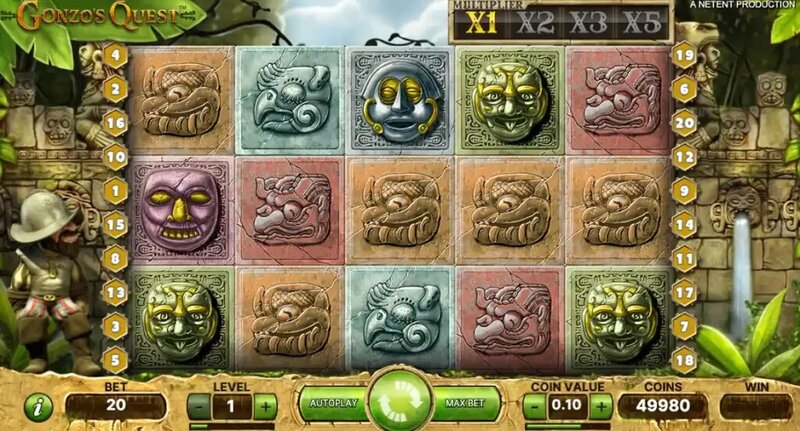
In a competitive market, the focus on personalized user journeys, real-time analytics, and swift issue resolution elevates the overall player experience. Advanced casino software suppliers leverage cloud infrastructure, enabling scalable and flexible solutions that adapt to evolving industry demands. Such providers integrate cutting-edge technologies like artificial intelligence, machine learning, and blockchain to refine their offerings continually and differentiate themselves in the marketplace.
Types of Casino Software Providers
Casino software providers can generally be classified into several categories based on their core offerings and target markets:
- Platform Providers: These suppliers develop complete gaming management systems that include game content, player account handling, payment processing, and regulatory compliance modules.
- Game Developers: Specializing in creating innovative and engaging gaming content, these providers focus on developing popular slot titles, table games, and live dealer options.
- Aggregation Platforms: Offering a portfolio of multiple game providers' titles through a single integration, these platforms enable operators to diversify their gaming libraries efficiently.
- Payment and Security Service Providers: Ensuring secure transactions, fraud prevention, and compliance, these suppliers are integral to maintaining operational integrity and player trust.
- Live Dealer Solution Providers: Focused on delivering high-quality live gaming experiences with real human dealers, these providers enhance immersion and social interaction.
Key Features of Casino Software Solutions
Successful casino software solutions typically incorporate the following features:
- High-Quality Graphics and User Interface: Visual appeal and intuitive navigation are fundamental to engaging players.
- Game Variety and Innovation: A diverse game portfolio with innovative features keeps players interested and engaged.
- Robust Back-Office Management: Tools for analytics, reporting, player management, and marketing automation streamline operations.
- Security and Regulatory Compliance: Ensuring data protection and adherence to regional regulations builds player confidence.
- Mobile Compatibility: Responsive designs that facilitate seamless gaming across devices amplify reach and accessibility.
- Integrations: Compatibility with payment gateways, third-party game providers, and loyalty systems enhances functionality.
Factors Influencing Supplier Selection
Operators evaluating potential software partners consider various factors:
- Regulatory Compliance: Ability to meet regional legal standards and obtain necessary certifications.
- Reputation and Reliability: Proven track record of stability, uptime, and quality support.
- Innovation Capability: Capacity for technological advancement that offers a competitive edge.
- Flexibility and Customization: Software adaptability to specific operational needs and branding requirements.
- Cost and Licensing Terms: Favorable financial arrangements aligned with budget considerations.
- Customer Support and Service: Effective, responsive support mechanisms to resolve issues rapidly.
Technological Innovations in Casino Software
The industry continually adopts new technologies to elevate gaming experiences and operational efficiency. Recent innovations include:
- Artificial Intelligence (AI): Enhances personalization, responsible gaming, and fraud detection.
- Blockchain Technology: Provides transparent, tamper-proof transaction records and provably fair gaming.
- Virtual Reality (VR) and Augmented Reality (AR): Create immersive environments for players seeking a lifelike casino experience.
- Cloud-based Platforms: Enable faster deployment, easier updates, and scalable infrastructure.
- Mobile-First Development: Prioritizes seamless mobile gaming experiences, capturing the on-the-go audience.

Regulatory and Certification Standards
Adhering to standardized regulations and obtaining certifications from recognized authorities is essential for maintaining integrity and operational legitimacy. Common standards include certifications from gaming authorities such as the Malta Gaming Authority (MGA), UK Gambling Commission, and Gibraltar Regulatory Authority. These certifications verify that the software complies with strict technical, security, and fairness standards. Additionally, suppliers often participate in industry audits and testing labs to validate their systems' randomness, fairness, and security. Such rigorous evaluations ensure that the software meets the highest industry benchmarks, fostering a trustworthy environment for players across various jurisdictions.
Customization and Flexibility of Software Solutions
Operators require adaptable software solutions that align with their brand identity and operational goals. Leading suppliers offer modular architectures allowing for customized features, game portfolios, and interface designs. This flexibility extends to regional adaptations, language support, and localized payment options, ensuring seamless user experiences across diverse markets. Furthermore, the ability to quickly implement new game releases, promotional tools, and integrations without disrupting existing operations is vital for staying competitive and responding to market trends efficiently.
Integration with Payment and Loyalty Systems
Streamlined payment processing and comprehensive loyalty programs are fundamental components of a high-performing casino ecosystem. Integrated payment systems facilitate secure deposit and withdrawal processes across multiple currencies and payment methods, including e-wallets, credit cards, and cryptocurrencies. Loyalty and reward systems, seamlessly embedded within the platform, enable operators to enhance player retention through bonuses, cashback offers, and personalized promotions. The interoperability of these systems influences overall user satisfaction, operational efficiency, and compliance with financial standards.
Impact of Data Analytics and Player Insights
Advanced data analytics tools embedded within casino software platforms provide valuable insights into player behavior, preferences, and engagement patterns. These insights empower operators to tailor marketing campaigns, optimize game portfolios, and implement effective responsible gaming measures. Predictive analytics and real-time dashboards facilitate proactive decision-making, enabling operators to identify emerging trends and address potential issues promptly. Harnessing data effectively enhances player satisfaction, increases revenue, and improves overall platform performance.
Global Market Trends and Opportunities
Expansion into emerging markets presents significant opportunities for casino software suppliers. Regional growth is driven by increasing internet penetration, favorable regulatory developments, and heightened consumer interest in online gaming. Suppliers adapt their products for diverse cultural and legal contexts, incorporating localized content and compliance features. Additionally, cross-platform capabilities, social gaming integrations, and e-sports betting are rapidly gaining prominence, opening new revenue streams and user engagement pathways. International collaborations and strategic alliances enable suppliers to extend their reach, harnessing global trends for sustained growth.
Advanced Perspectives on Casino Software Supplier CX
Emerging Technologies and Adaptation Strategies
As the casino industry continues to evolve, software suppliers are increasingly integrating cutting-edge technologies to enhance user experience and operational efficiency. The adoption of artificial intelligence (AI) and machine learning (ML) allows for personalized gaming experiences, predictive analytics, and dynamic risk management. Additionally, blockchain technology is being explored for transparent transactions and secure data handling, bolstering trust and accountability. Suppliers are also leveraging cloud computing to offer scalable solutions, reduce infrastructure costs, and enable real-time updates without disrupting player services.

Vendor Collaboration and Ecosystem Development
Modern casino software providers recognize the importance of forging strategic alliances with technology firms, game developers, and payment providers to create a cohesive gaming ecosystem. Such collaborations enable the seamless integration of diverse systems, broadening game portfolios and payment options, and enhancing overall value proposition. These partnerships often involve co-developer initiatives that focus on creating new gaming content and exclusive features, which foster differentiation in a competitive market. An emphasis on interoperability ensures that multiple systems — including gaming platforms, customer relationship management (CRM), and marketing tools — work harmoniously, facilitating a unified user experience.
Addressing Rapid Market Changes and Consumer Demands
In a landscape marked by swift technological advancements and shifting consumer preferences, casino software suppliers are tasked with maintaining agility. This involves continuous market research, smart adaptation to regulatory changes, and proactive updates to software platforms. For example, the increasing demand for mobile-first gaming solutions requires suppliers to optimize interfaces for smartphones and tablets. Furthermore, player-centric innovations such as gamification, immersive virtual reality (VR), and social features are becoming integral components of software development strategies, ensuring that operators meet evolving engagement expectations.

Security and Fraud Prevention Measures
The protection of sensitive data and financial transactions is paramount in maintaining trust and integrity within casino operations. Suppliers implement robust security protocols, including end-to-end encryption, biometric authentication, and real-time fraud detection systems. Regular security audits, compliance with cybersecurity standards, and sophisticated anomaly detection algorithms help mitigate risks associated with hacking, data breaches, and fraudulent activities. By prioritizing security, software providers contribute significantly to a reliable gaming environment, fostering confidence among players and operators alike.
Ongoing Innovation and Market Adaptation
The landscape of casino gaming software is characterized by continuous evolution. Suppliers invest heavily in research and development (R&D) to explore new gaming genres, integrate social features, and improve usability. Market trends such as the rise of live dealer games and the integration of sports betting require flexible, adaptable software constructs that can incorporate these functionalities swiftly. The ability to update and scale these solutions in response to market dynamics ensures that operators can remain competitive and cater to diverse player preferences worldwide.
Focus on User-Centric Design and Experience
Creating intuitive, engaging interfaces remains a core priority for software suppliers. User-centric design principles focus on minimizing friction, enhancing accessibility, and delivering immersive gaming experiences. Visual aesthetics, seamless navigation, and interactive elements contribute to prolonged engagement and player retention. Furthermore, ensuring the accessibility of software across multiple devices — desktops, smartphones, tablets — enhances reach and convenience. Regular interface updates based on player feedback are vital in maintaining high satisfaction levels and encouraging ongoing participation.
Summary
In the highly competitive and rapidly changing casino industry, the importance of advanced, secure, and adaptable software solutions cannot be overstated. Equipment suppliers that focus on technological innovation, robust security measures, strategic partnerships, and customer-centric development are positioned to excel. By continuously refining their offerings and responding effectively to market trends and player demands, these providers play a critical role in shaping the future of digital gaming experiences.